
100 trln yuan govt debt seen as controllable
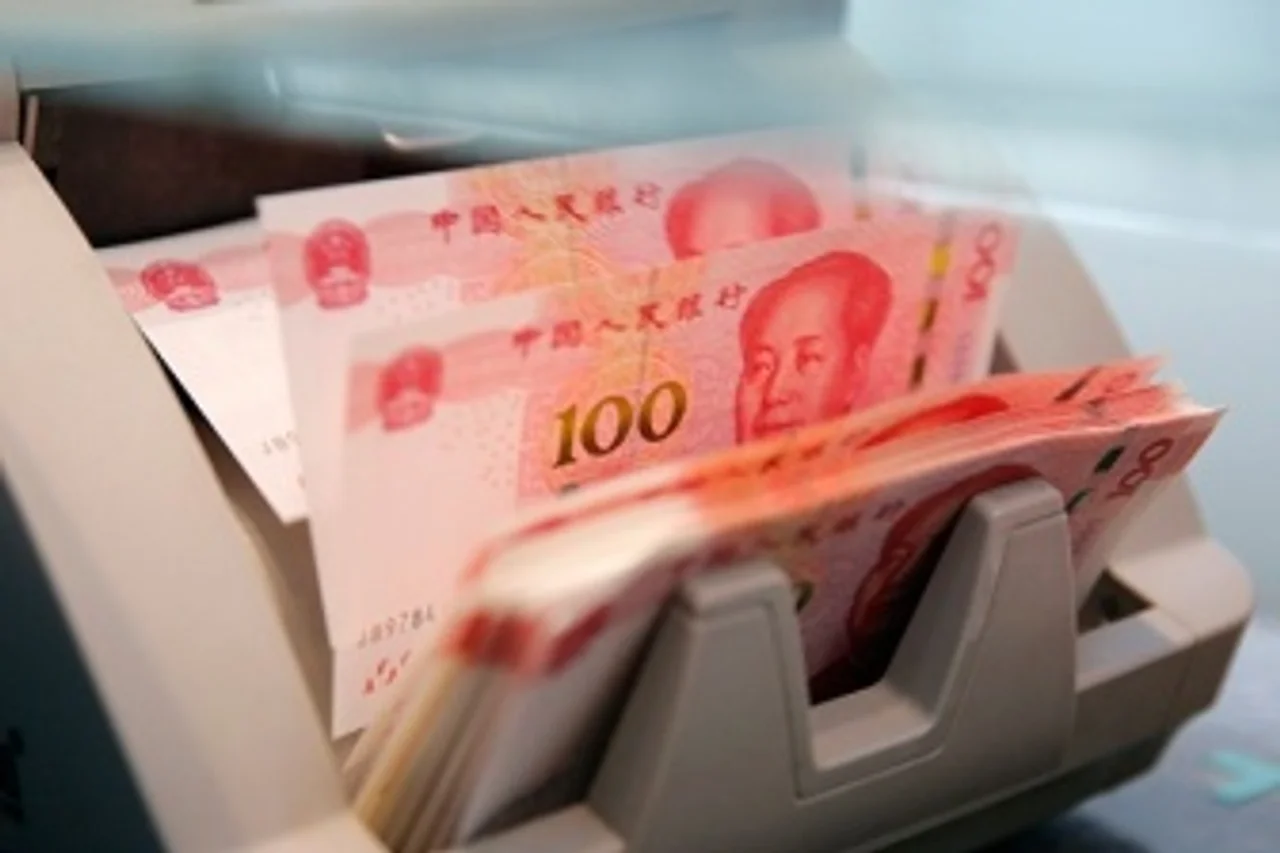
Nation’s 68.2% debt-to-GDP ratio far below Japan’s 200%, US’ 120%
China’s outstanding government debt has likely topped the 100 trillion yuan ($14.8 trillion) mark, though despite the scale, experts said the overall risk remains “safe and controllable” as the debt burden is moderate by global standards and funded projects are mainly quality assets.
According to the People’s Bank of China, the country’s central bank, the stock of government bonds stood at 99.37 trillion yuan at end-April.
By the end of May, data from Financial China Information and Technology Co showed the figure had climbed to about 101.15 trillion yuan, fueled by years of proactive bond issuance to counter economic headwinds and swap out hidden local debt.
Luo Zhiheng, chief economist at Yuekai Securities, said the country’s debt-to-GDP ratio — the most widely used gauge of debt sustainability — stood at 68.2 percent at end-2025, well below that of major developed economies.
Japan’s government debt-to-GDP ratio stands at above 200 percent, while the United States’ national debt has reached roughly 120 percent of its GDP, said the International Monetary Fund.
“The risk is manageable and sustainable,” Luo said. He also pointed out that Chinese government debt is mostly used to build infrastructure such as transport, energy and water conservation infrastructure, creating productive assets that generate long-term returns.
“Those assets both support high-quality development and serve as a source of repayment,” he added.
Yuan Haixia, dean of the research institute at China Chengxin International Credit Rating, said China’s debt is overwhelmingly domestic, with the household savings rate above 44 percent, providing a stable funding base. Foreign currency debt accounts for only about 5 percent of the total, limiting external vulnerability.
Nevertheless, the experts highlighted region-specific and structural weaknesses that warrant closer attention.
“Some less-developed regions with weak fiscal capacity face liquidity pressure, especially from interest payments,” Yuan said. “The resolution of hidden debt is still in a tough phase.”
Yuan added that another concern is the diminishing returns on special-purpose bonds, where project revenues often fall short of expectations. “This mismatch reduces the efficiency of debt-financed investment,” she said.
Wen Laicheng, a professor at the Central University of Finance and Economics, cautioned that while the current debt level is safe, the rapid growth rate should not be ignored.“We must watch fiscal sustainability,” Wen said, adding that China’s outstanding government debt has been expanding at an annual rate of more than 10 percent in recent years, outpacing both the country’s economic growth and its fiscal revenue growth.
To maintain a balance between economic growth and fiscal health, experts cautioned that the focus must shift from the sheer size of debt to its structure and productivity.
Luo said a reasonable debt scale should be assessed based on three factors: the gap between nominal GDP growth and the interest rate, the returns on the projects funded by debt, and a dynamic fiscal sustainability framework.
“Keeping growth above interest rates is key to preventing a debt spiral,” he said.
Yuan called for moving the center of debt management from “adding leverage” to “optimizing leverage”. She suggested that the central government should take on more borrowing — through ultra-long term special treasury bonds, for instance — to relieve pressure on local finances.
Within local debt, the share of general bonds should be raised, while special-purpose bonds should be strictly tied to projects with self-sustaining revenues, Yuan said.
Wen emphasized that debt efficiency is equally important. Too much debt has been channeled into physical infrastructure, while spending on health and education — investments in people — has lagged.
“We need to shift from focusing solely on physical assets to a more balanced approach that places equal emphasis on people,” Wen said, adding that such a move would boost the multiplier effect of public spending.
China Daily
Apd News
World News
- 1Albanians protest against US-linked luxury resort
Albanians protest against US-linked luxury resort
12 hours ago - 2Millions of Ethiopians cast vote in 7th general election
Millions of Ethiopians cast vote in 7th general election
1 day ago - 3Confidence plummets in UK university degrees
Confidence plummets in UK university degrees
2 days ago - 4Trump says talks with Iran continue; Israel, Hezbollah agree to halt fire
Trump says talks with Iran continue; Israel, Hezbollah agree to halt fire
3 days ago - 5WHO chief calls for reconsidering travel ban as DR Congo fights Ebola
WHO chief calls for reconsidering travel ban as DR Congo fights Ebola
4 days ago - 6US seeks changes to Iran deal
US seeks changes to Iran deal
4 days ago - 7Families search for answers after school fire kills 16
Families search for answers after school fire kills 16
5 days ago - 8Canada, China vow to strengthen bilateral ties, uphold multilateralism
Canada, China vow to strengthen bilateral ties, uphold multilateralism
5 days ago